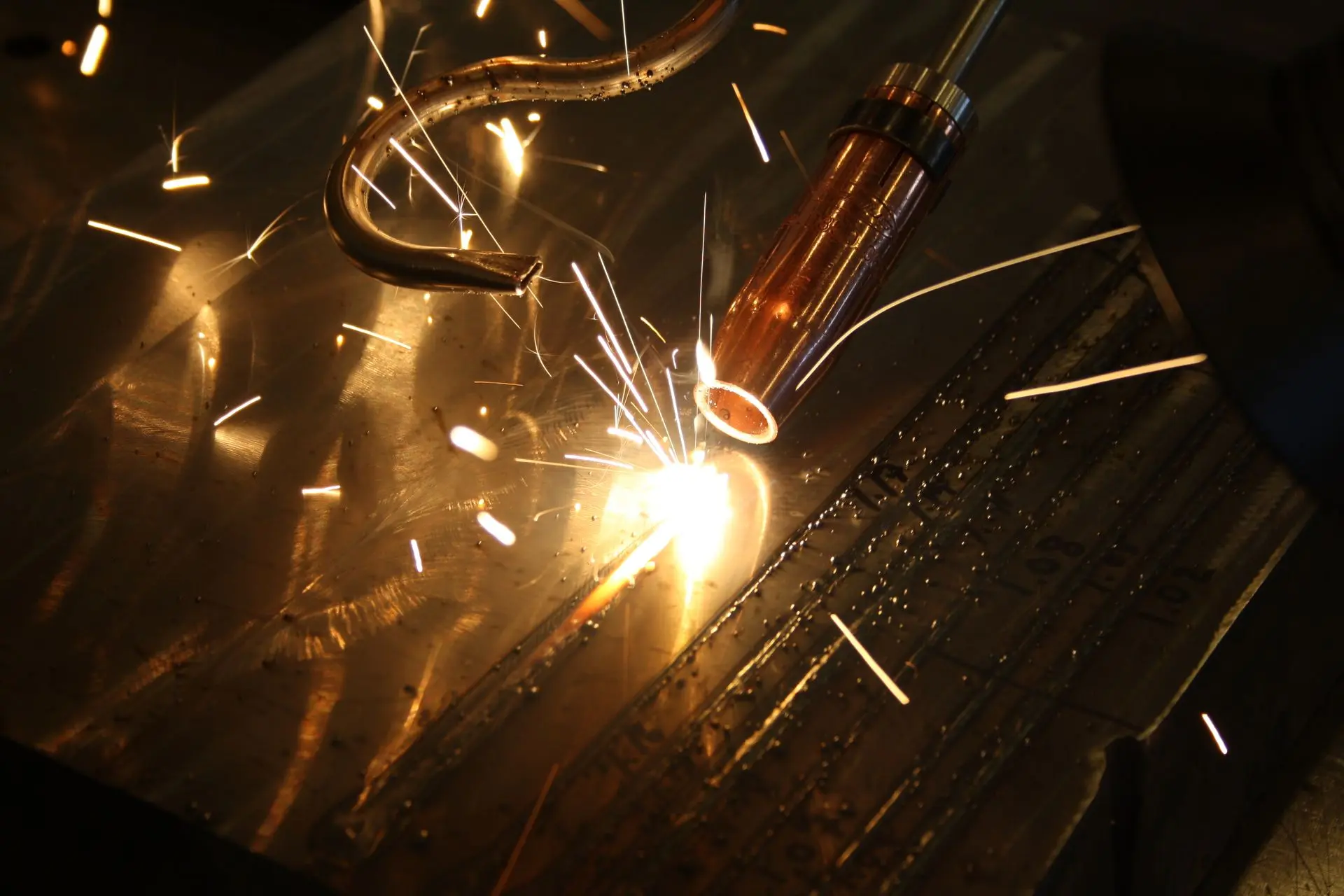
Laser heat treatment is a technology that allows a localized hardness change to be created. Due to its limited heat input and easy control over the depth of penetration and the width of the treated area, it is widely used in all applications where localized wear is a major problem.
Laser heat treatment can both harden and soften the surface. Laser hardening allows heat to be applied locally. This allows partial hardening of complex pieces without deformation of the treated part. Laser softening involves heating the hardened steel to martensite, so the steel structure undergoes a temperature-dependent transformation, allowing the part to be softened.
Heat Treatment
Laser heat treatment is a technology that allows a localized hardness change to be created. Due to its limited heat input and easy control over the depth of penetration and the width of the treated area, it is widely used in all applications where localized wear is a major problem.
Laser heat treatment can both harden and soften the surface. Laser hardening allows heat to be applied locally. This allows partial hardening of complex pieces without deformation of the treated part. Laser softening involves heating the hardened steel to martensite, so the steel structure undergoes a temperature-dependent transformation, allowing the part to be softened.
Heat Treatment
Lasers are increasingly used in heat treatment processes due to their ability to deliver precise, localized heat to materials, enhancing properties such as hardness, wear resistance, and fatigue strength. The types of lasers commonly used in heat treatment include fiber lasers, CO2 lasers, and diode lasers, each selected for their specific advantages in terms of energy delivery, material interaction, and treatment precision.
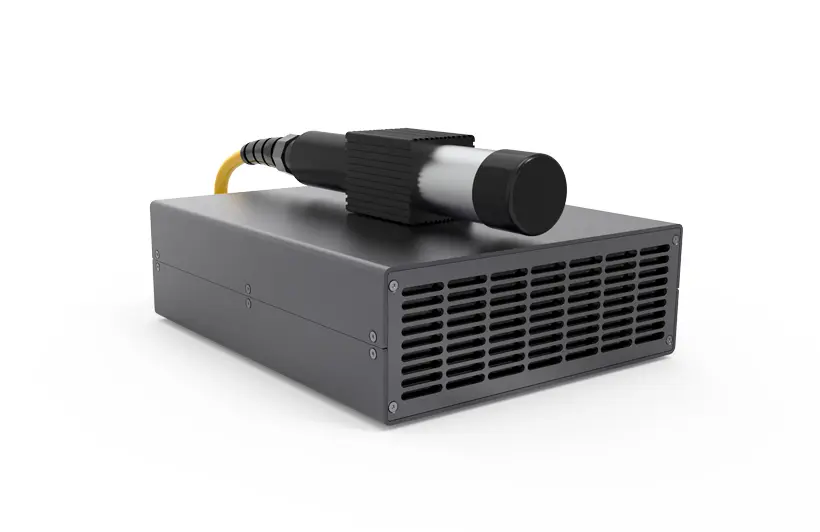
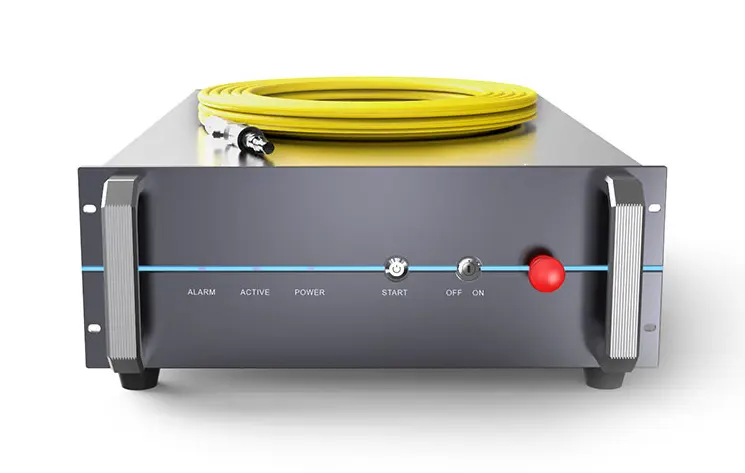
Fiber lasers are widely used in heat treatment processes because of their high power density and excellent beam quality. These lasers can focus on very small areas with great precision, making them ideal for surface hardening, alloying, and other heat treatment applications. Fiber lasers are particularly effective for metal processing, including stainless steel, tool steel, and titanium alloys. They provide precise control over the heat-affected zone, ensuring that only the targeted area undergoes the desired treatment. This makes fiber lasers ideal for high-precision hardening and selective annealing.
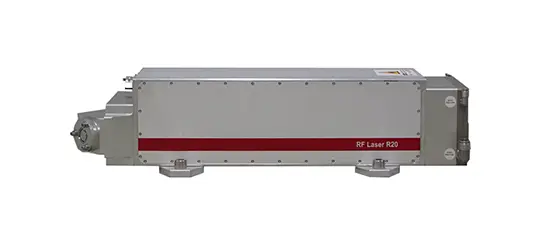
CO2 lasers are also commonly used in heat treatment for their high power output and ability to treat larger surface areas. CO2 lasers are effective for surface hardening and remelting of various metals, particularly in applications requiring deep penetration or a larger treatment area. These lasers are well-suited for treating steel and aluminum alloys. CO2 lasers offer high flexibility and are often used in industries like automotive and aerospace, where large parts need to be heat-treated efficiently.
Diode lasers are used in heat treatment, particularly in applications requiring energy efficiency and localized treatment. These lasers are compact and can deliver precise heat to smaller areas, making them ideal for applications such as hardening small parts, soldering, and microstructuring. Diode lasers are particularly effective in laser surface alloying, where a thin layer of material is melted onto the surface to enhance properties like corrosion resistance and wear resistance.
Each type of laser is chosen based on the specific requirements of the heat treatment process, such as the material to be treated, the size of the area, and the desired properties of the treated surface. Fiber lasers are ideal for precision and small-area treatment, CO2 lasers are effective for larger, deeper treatment areas, and diode lasers provide energy-efficient solutions for small-scale and localized heat treatment tasks.
Lasers are increasingly used in heat treatment processes due to their ability to deliver precise, localized heat to materials, enhancing properties such as hardness, wear resistance, and fatigue strength. The types of lasers commonly used in heat treatment include fiber lasers, CO2 lasers, and diode lasers, each selected for their specific advantages in terms of energy delivery, material interaction, and treatment precision.
Fiber lasers are widely used in heat treatment processes because of their high power density and excellent beam quality. These lasers can focus on very small areas with great precision, making them ideal for surface hardening, alloying, and other heat treatment applications. Fiber lasers are particularly effective for metal processing, including stainless steel, tool steel, and titanium alloys. They provide precise control over the heat-affected zone, ensuring that only the targeted area undergoes the desired treatment. This makes fiber lasers ideal for high-precision hardening and selective annealing.
CO2 lasers are also commonly used in heat treatment for their high power output and ability to treat larger surface areas. CO2 lasers are effective for surface hardening and remelting of various metals, particularly in applications requiring deep penetration or a larger treatment area. These lasers are well-suited for treating steel and aluminum alloys. CO2 lasers offer high flexibility and are often used in industries like automotive and aerospace, where large parts need to be heat-treated efficiently.
Diode lasers are used in heat treatment, particularly in applications requiring energy efficiency and localized treatment. These lasers are compact and can deliver precise heat to smaller areas, making them ideal for applications such as hardening small parts, soldering, and microstructuring. Diode lasers are particularly effective in laser surface alloying, where a thin layer of material is melted onto the surface to enhance properties like corrosion resistance and wear resistance.
Each type of laser is chosen based on the specific requirements of the heat treatment process, such as the material to be treated, the size of the area, and the desired properties of the treated surface. Fiber lasers are ideal for precision and small-area treatment, CO2 lasers are effective for larger, deeper treatment areas, and diode lasers provide energy-efficient solutions for small-scale and localized heat treatment tasks.